Lab Notes
Our AI Agent Used the Right Tool—and Still Got the Answer Wrong
A hands-on NeMo Relay and Arize Phoenix field report: a successful tool call, a wrong final answer, and the privacy checks needed before tracing live agents.
Benchmark Command LLC
Independent local-AI field reports
Inside the systems, software and practical work behind local AI. Explore our Intel and AMD builds, read the field reports, and see how we separate observations from conclusions.
Settings, versions and limitations matter as much as the headline result.
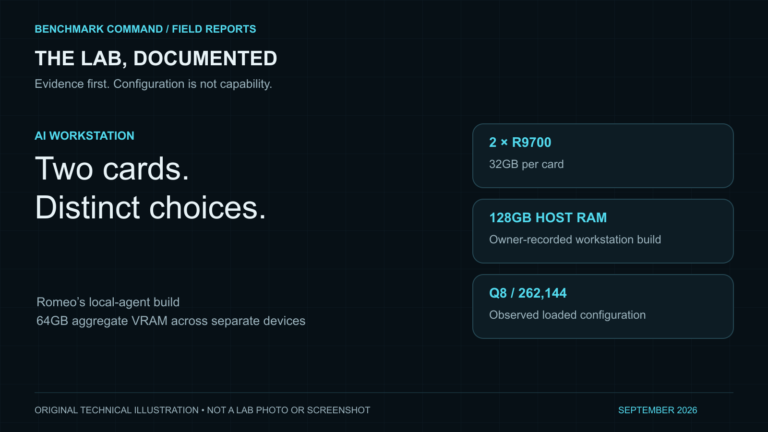
The physical lab
Two builds, photographed in our workspace. The AMD system pairs two Radeon cards; the Intel system houses two Arc Pro B70 cards.
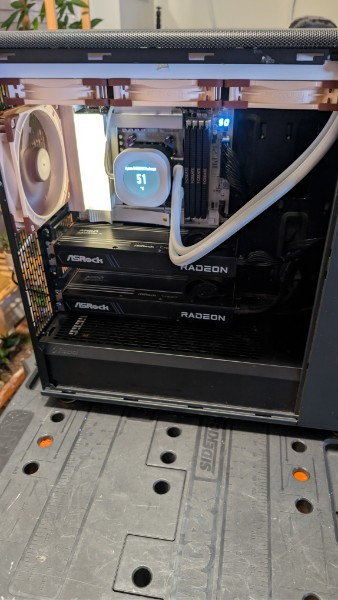
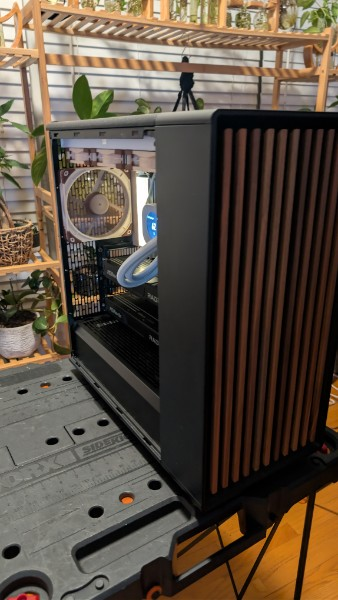
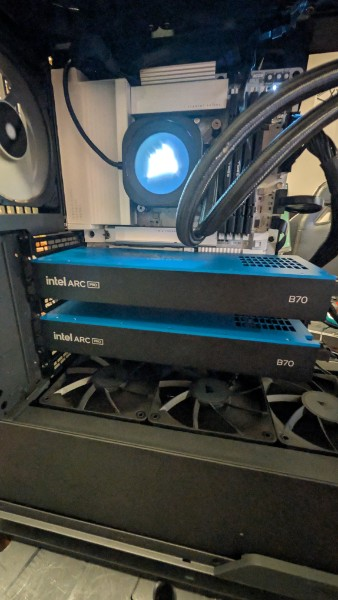
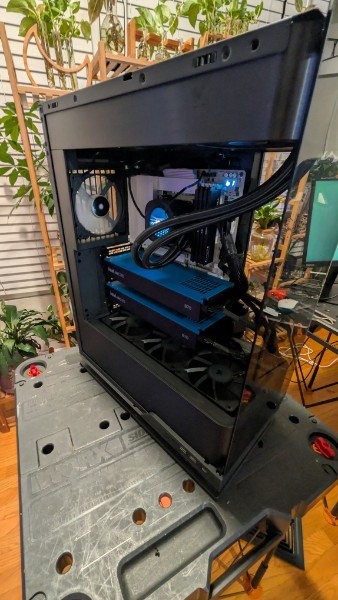
Original build photographs from Benchmark Command. Hardware pictured is not, by itself, a performance claim; test conditions and results belong with each report.
Published work
Explore published field reports on local AI, workstation hardware and the details that shape real-world results.
Explore by subject
Inference profiles, measured model behavior and the limits behind the results.
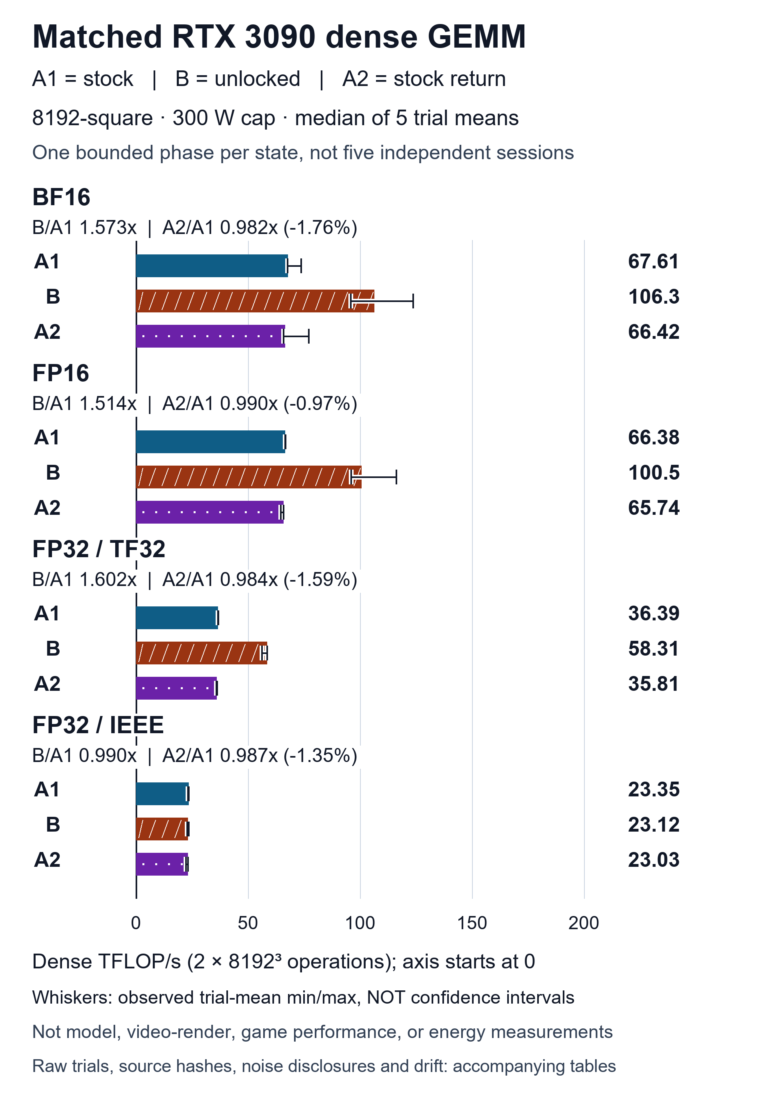
Our RTX 3090 stock–unlock–stock dense GEMM test at a 300 W cap measured BF16 +57.3%, FP16 +51.4% and TF32 +60.2%; strict FP32 did not improve. Raw…
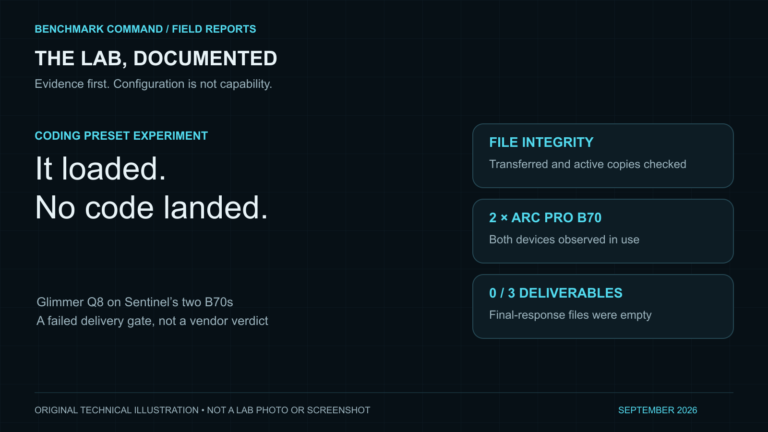
Sentinel ran a verified Q8 Glimmer instance across two 32GiB B70s. Three neutral one-shot coding tests returned no final code, exposing the gap between load success…
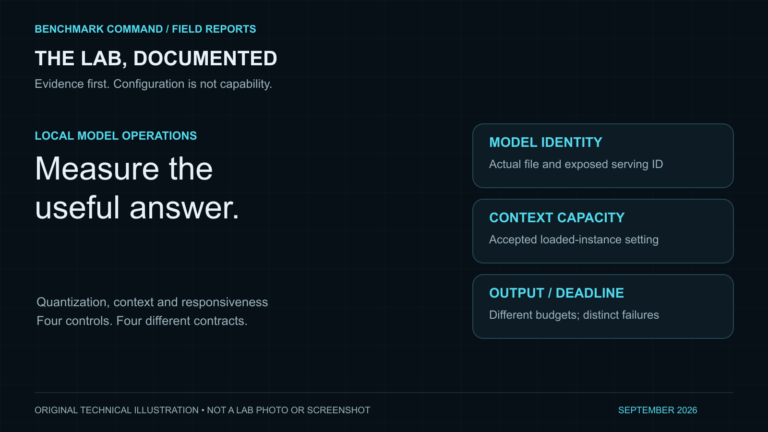
Lessons from migrating a local agent host to Q8 and a 262,144-token context, including why model identifiers, response limits and latency must be tested separately.
The Qwen3.6-27B model occupies a specific niche in the local LLM landscape: it is dense enough to outperform most 14B-class models on coding and reasoning benchmarks,…
Explore by subject
The workstation configurations, components and practical decisions behind local AI.
Explore by subject
Monitoring, agent reliability and the private-lab infrastructure behind the work.
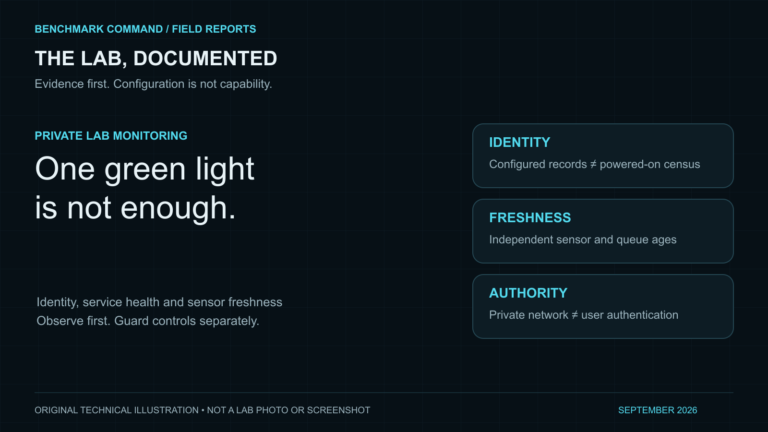
How we repaired a private lab dashboard by separating machine identity, service reachability, fresh telemetry and explicitly authorized controls.
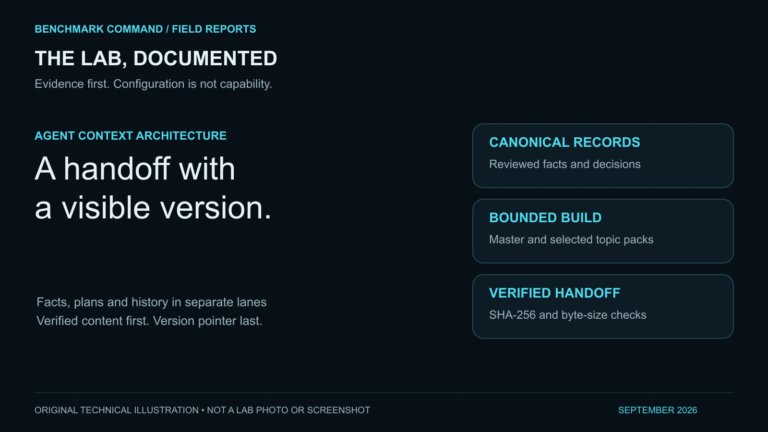
A dated Markdown knowledge system separates facts from plans and history, generates bounded context, and verifies a staged handoff without pretending it trains a model.
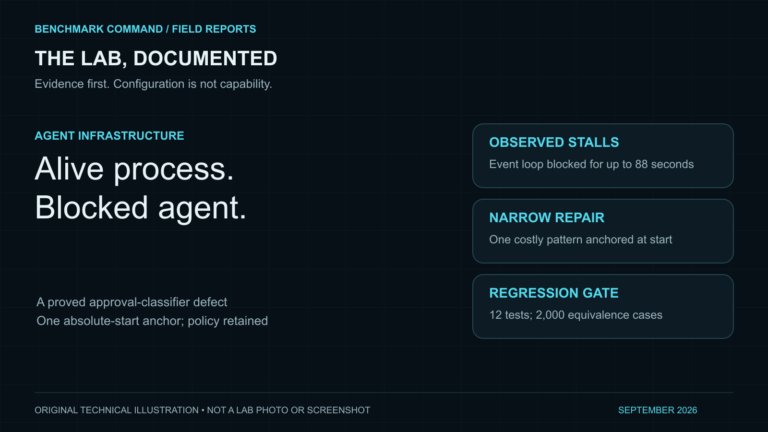
A September 6 recovery traced an unresponsive Hermes backend to one costly approval regex, then repaired its scan behavior without weakening the policy.
The editorial treatment distinguishes what was measured, what was inferred, what remains planned, and where readers can inspect the reporting standard.
Capture the workload, settings, versions, and observed output.
Use consistent conditions and retain individual runs instead of a lone headline number.
Label observations, inferences, plans, and unresolved checks separately.
Keep staging and publication distinct so evidence can be checked before release.